Summarize this page with AI




CBB Category 3 vs VARA compared: what each licence authorises, who holds both, and what it means when choosing a licensed GCC payment provider.
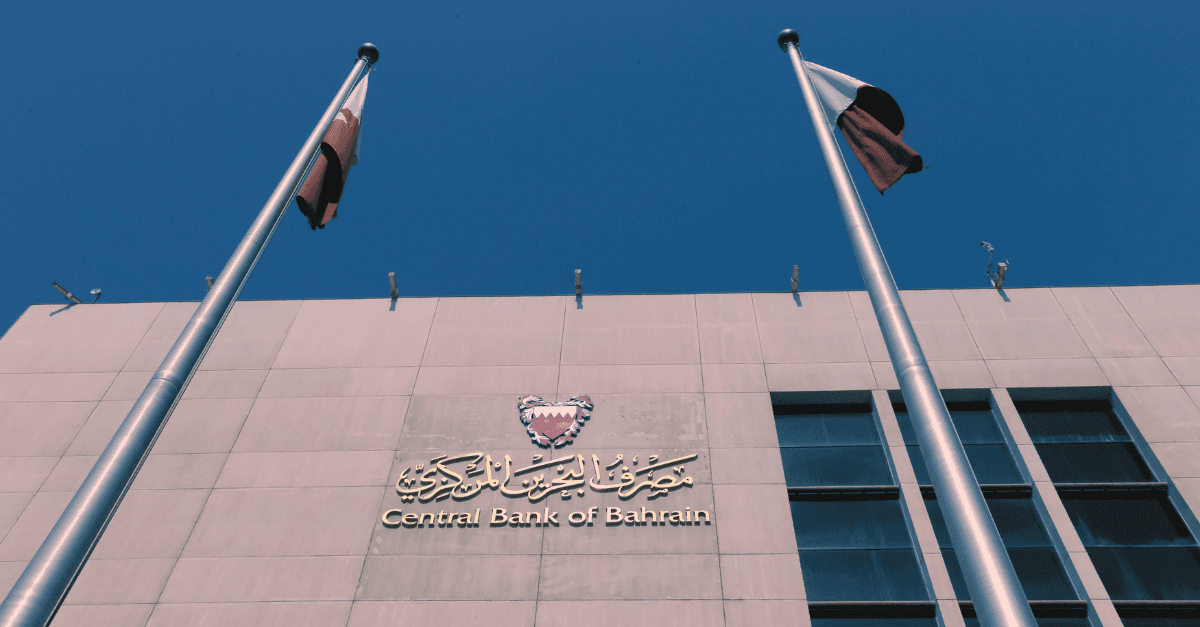
GCC exchange houses that eliminate Nostro pre-funding free $15–25M overnight. Here is where that capital goes, and how it compounds.

At $5M, exchange slippage costs GCC businesses ~$42,500 per trade vs ~$7,500 on OTC. See the full cost breakdown at $500K, $1M, and $5M.
A $10,000 SWIFT transfer from the GCC can cost $189 in hidden deductions before reaching your supplier. Here's every layer, calculated.

How GCC exchange houses reduce international wire transfer costs: the MTO fee model, nostro capital drag, and the P&L case for switching to direct rails.

Adding BHD or other GCC currencies payout coverage takes 12–24 months of licensing per jurisdiction - if you build it natively. Most fintechs integrate instead.

Above $250,000, exchange trading stops making sense for GCC businesses. OTC desks offer firm pricing, no order book exposure, and compliance documentation. Here's how they work.
Bahrain's CBB-licensed OTC desks serve family offices, PSPs, and exchange houses executing above $500K. What to look for in a counterparty - 2026 guide.

GCC importers paying India suppliers via SWIFT lose up to $120 per transfer and 2–5 days to the correspondent chain. There's a licensed alternative.

ARP Digital's 2026 analysis: GCC exchange houses lose ~$900K/yr to trapped Nostro pre-funding. Download the corridor-by-corridor cost model.